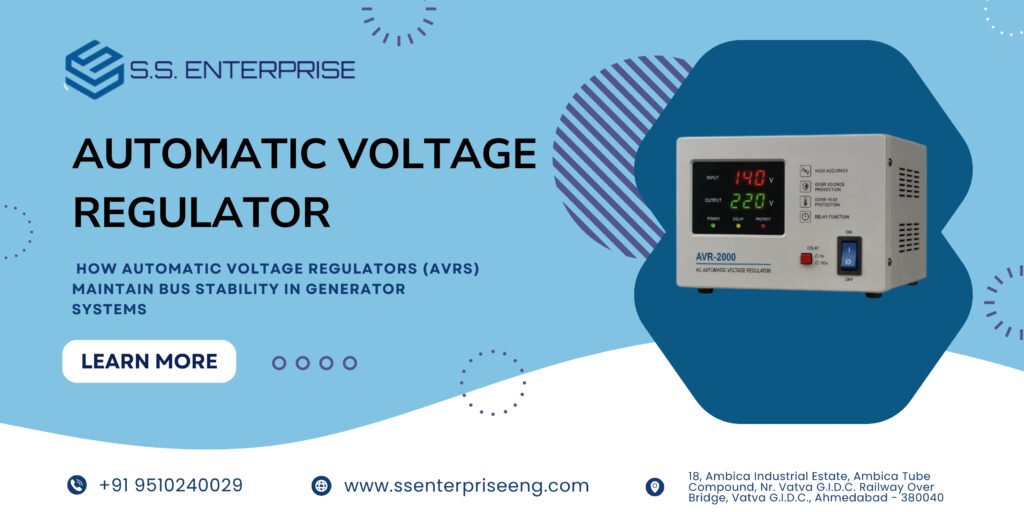
How Automatic Voltage Regulators (AVRs) Maintain Bus Stability in Generator Systems
Discover how Automatic Voltage Regulators (AVRs) dynamically adjust alternator field excitation to prevent voltage sags during heavy motor startups.

Discover how Automatic Voltage Regulators (AVRs) dynamically adjust alternator field excitation to prevent voltage sags during heavy motor startups.
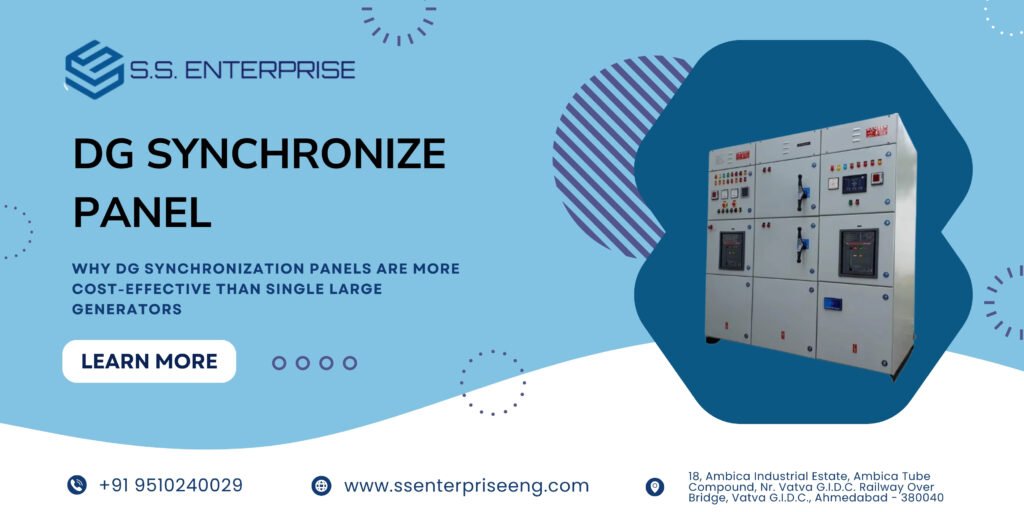
Choosing between a single massive generator or multiple smaller units in parallel? Explore the financial and operational advantages of DG synchronization panels.
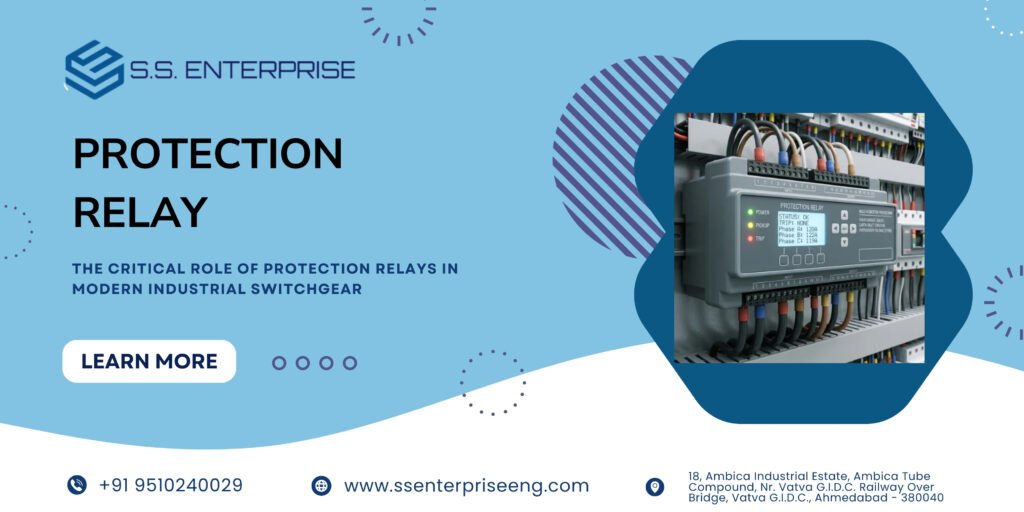
From overcurrent to earth-fault protection, explore how advanced protection relays safeguard your electrical switchgear and prevent costly plant downtime.

A reliable, efficient electrical network is the beating heart of any modern manufacturing plant. From heavy stamping presses and automated conveyor lines to precision CNC machining centers, industrial machinery demands a steady, uninterrupted flow of electricity. However, designing an electrical network goes far beyond simply adding up the nameplate ratings of individual machines. Under-sizing components leads to voltage drops, nuisance tripping, and overheating, while over-sizing results in unnecessary capital expenditure and poor transformer efficiency. Implementing best practices for sizing power distribution systems ensures your facility operates safely, efficiently, and with room for future growth. 1. Calculating Total Connected Load and Maximum Demand The first step in designing any power distribution system is establishing an accurate load profile. Connected Load vs. Maximum Demand: The connected load is the sum of all electrical equipment ratings in the plant. However, not all machines run simultaneously at full capacity. Applying a realistic Diversity Factor (Demand Factor) based on plant operating shifts prevents massive over-sizing. Accounting for Motor Starting Inrush: Manufacturing plants feature numerous induction motors. When a large motor starts, it draws an inrush current 5 to 7 times its full-load amperes (FLA). Your distribution transformers and main LT panels must be sized to handle these transient starting surges without causing severe voltage sags. 2. LT Panel and Busbar Sizing Best Practices Low Tension (LT) switchgear distributes power from your main substation down to individual floor panels and motor control centers (MCCs). Current Density Calculations: Busbars are typically manufactured from electrolytic-grade copper or aluminum. Ensure busbars are sized according to allowable temperature rise standards (e.g., maintaining a safe current density per square millimeter) rather than just minimum melting thresholds. Short-Circuit Withstand Rating: Calculate the maximum prospective fault current at the main switchboard. Your LT panel busbars, circuit breakers, and protection devices must possess adequate short-circuit withstand capacity (e.g., 50kA or 65kA for 1 second) to endure fault conditions safely without mechanical distortion. 3. Planning for Future Scalability Manufacturing plants rarely stay the same size; production lines expand, and new machinery gets added over time. Spare Capacity Margin: Always design your main power distribution panels with a minimum of 20% to 25% spare capacity in busbar rating, breaker slots, and cable tray space. Modular Panel Design: Building modular switchgear allows you to bolt on new outgoing feeder cubicles easily in the future without shutting down the entire plant network. For dependable facility performance, housing your distribution architecture within custom-engineered switchgear is vital. Explore our robust Power Distribution Systems and custom Power Control Panels to see how industrial power networks are built for maximum durability. Summary Properly sizing power distribution systems balances safety, operational efficiency, and future growth. Investing in careful engineering prevents costly downtime and protects your valuable plant machinery. Empower your facility with our expertly engineered Power Distribution Systems and custom Power Control Panels.
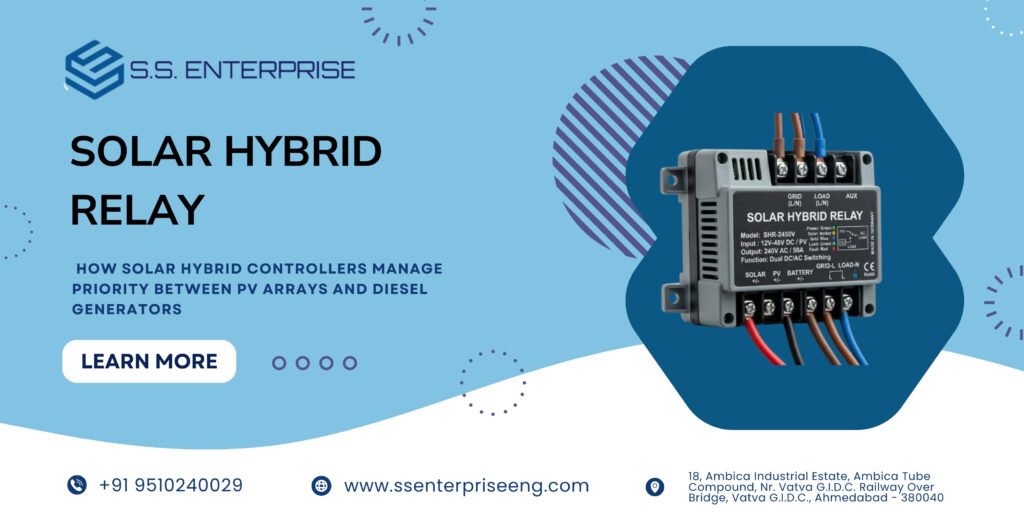
Discover how intelligent solar hybrid controllers optimize power distribution between solar PV arrays and diesel generators to cut industrial energy costs.
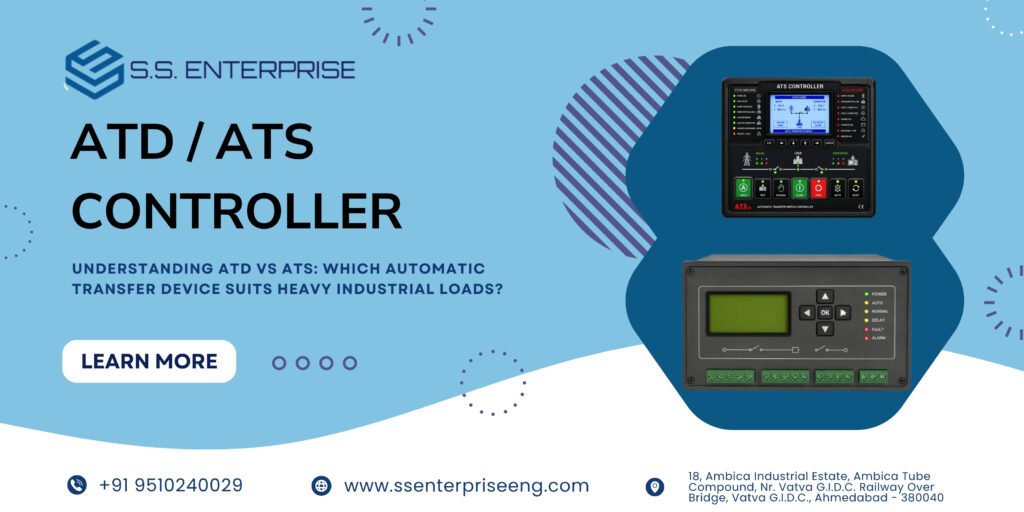
Designing power backup for heavy industrial loads? Compare ATD controllers and ATS panels to select the safest and most efficient transfer mechanism.
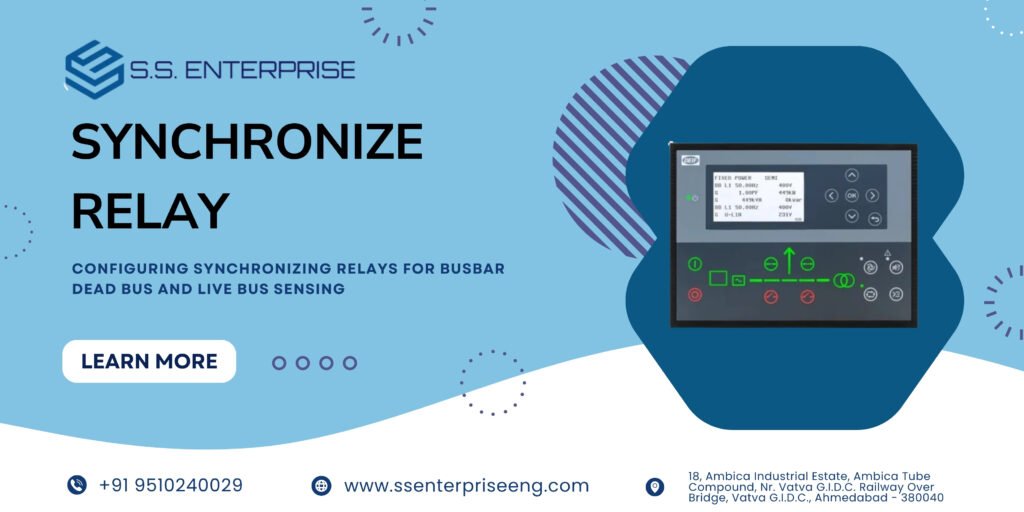
Discover the programming logic behind dead bus closing and live bus synchronization. Essential configuration guide for synchronizing relays in power panels.
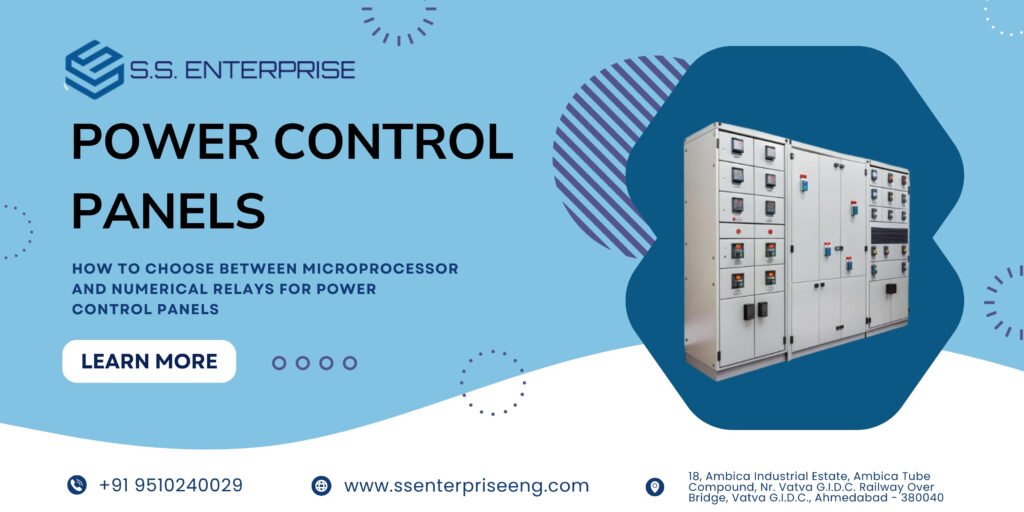
Designing a power control panel and unsure which protection relay technology to use? Compare microprocessor and numerical relays for industrial applications.
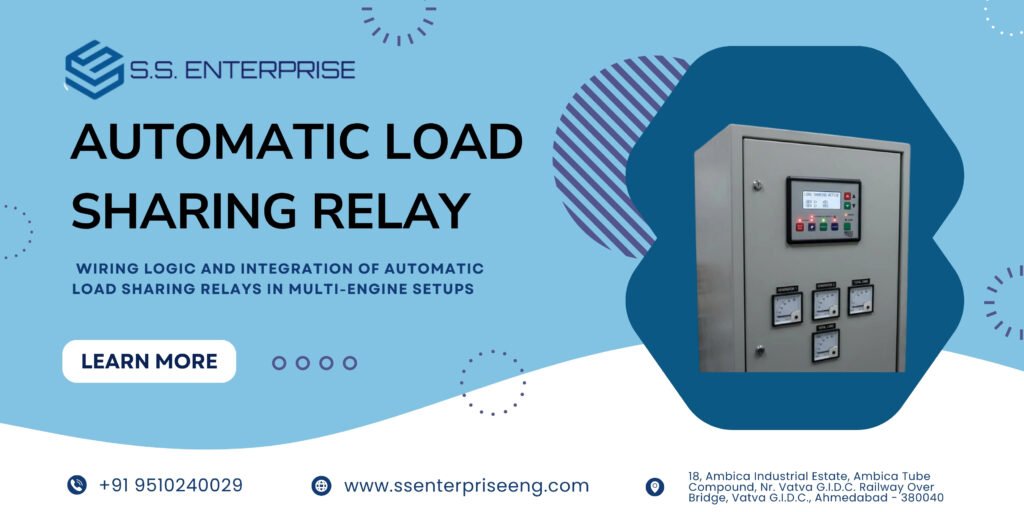
Discover how automatic load sharing relays balance active power across parallel generators. Complete wiring and integration guide for panel builders.
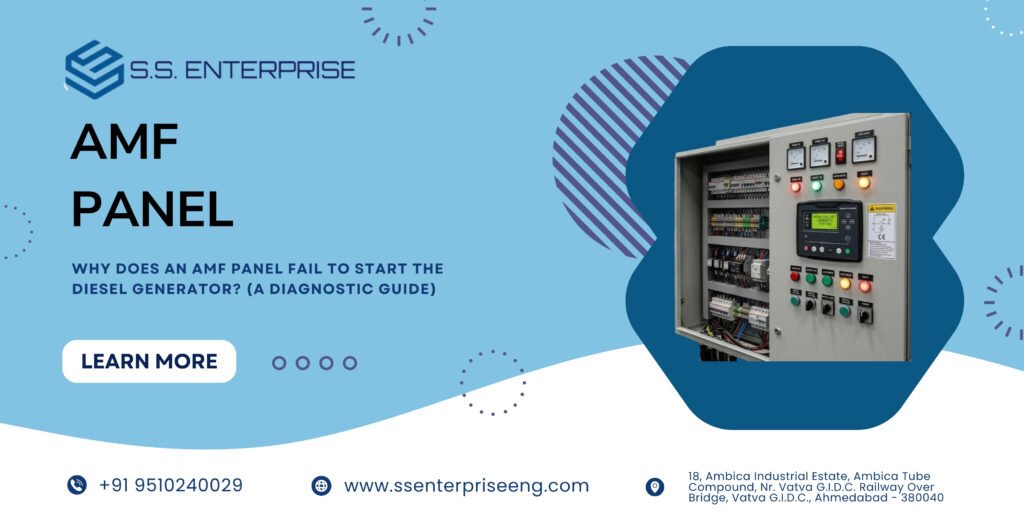
Grid power cut out, but your standby generator failed to crank? Explore the root causes of AMF panel starting failures and how to troubleshoot them.